
Mourning jewelry has always carried a quiet power. Before photographs were common, these little objects — rings, brooches, lockets — served as tangible reminders of loved ones lost.
The oval brooch (once a ring) with its simple white-enamel ribbon and a tiny lock of blonde hair beneath a glass-covered urn, is a wonderful example of mourning jewelry. Its low-karat gold, lack of hallmarks, and hand-worked construction point to colonial America rather than Britain, where higher gold content and proper marks were the norm. With its 6-karat gold alloy and the inscription “Ags. Briggs, ob. May 3, 1792,” we can confidently place it in rural New England. A handmade ring commemorating Agnes (“Ags.”) Briggs, who died on May 3, 1792 at the age of 41.

The white enamel is especially telling — in the 18th century it was reserved for unmarried people, often children. Beneath the crystal rests an imported blue-enamel urn, carefully set over her woven blonde hair. A humble, personal piece of early American craftsmanship, likely created by a small-town goldsmith rather than a major workshop. The Briggs family was very large and concentrated in the NYC, Pennsylvania and Virginia areas.
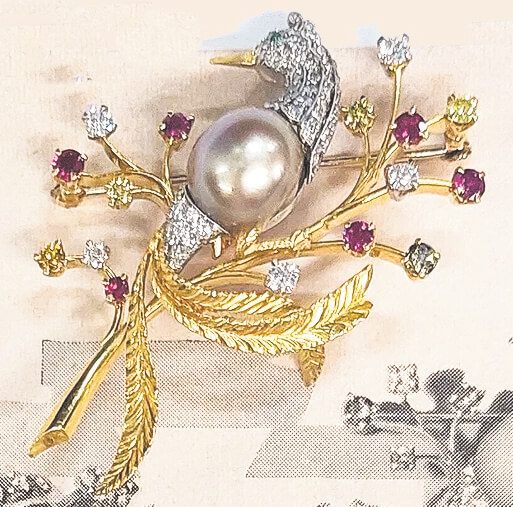
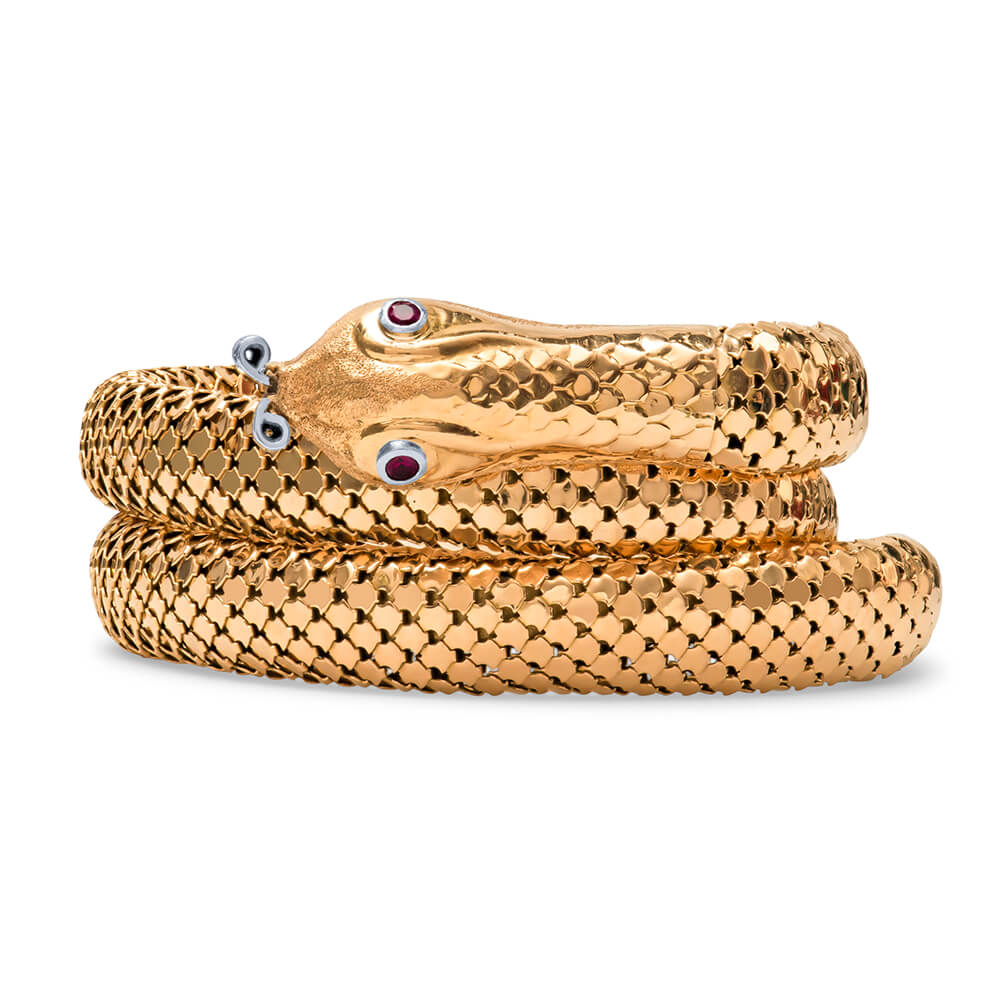
Also shown, three other examples of mourning jewelry recently sold. Value depends on intricacy of the work. $100-$5,000.
Objects like this often outlast written records, preserving stories that history forgot. By the early 20th century, the custom of wearing mourning jewelry had faded away, but today these intimate relics are treasured for their symbolism and quiet collectibility.